Pitara User Guide
Complete guide to using Pitara for fast, private photo search on Windows. Learn setup, search techniques, tagging, export, and advanced features.
1. Getting Started
Installation
- Download Pitara from the download page
- Choose between Setup (installer) or Portable (no installation)
- Run the installer or extract the portable version
- Launch Pitara
💡 Tip: First-time users should start with the Setup version for automatic Windows integration. Choose Portable if you want to run Pitara from a USB drive or don't have admin rights.
First Launch: Adding Your Photos
On first launch, Pitara needs to know where your photos are stored:
- Click Settings in the menu bar
- In the Settings dialog, click Add Folder
- Browse to your photo folders (e.g., Pictures, Desktop, external drives)
- Click OK to start indexing
.png)
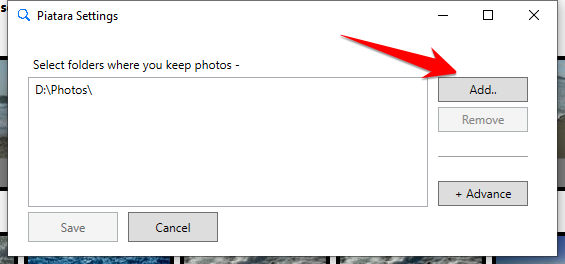
What happens during indexing? Pitara scans your photos and reads embedded metadata (location, date, camera info) without modifying the files. The index is stored locally on your computer.
💡 Performance Tip: Store the index on your fastest drive (usually your internal SSD). You can index photos from external or network drives, but keep the index location on your local drive for best performance.
2. Basic Search
Natural Language Search
Pitara understands natural language queries. Simply type what you're looking for:
Hawaii 2020 |
Photos from Hawaii taken in 2020 |
Christmas morning |
Photos taken on Christmas mornings |
weekend from 5 years |
Weekend photos from the last 5 years |
New York September |
Photos from New York in September |
Search by Location
Search photos by city, state, country, or custom location names. Pitara uses GPS metadata embedded in your photos.
Seattle- All Seattle photosWashington state- Photos from WashingtonCalifornia beach- Beach photos in California
📍 Location Catalogs: View all available locations in your photo collection by opening Location Catalogs from the menu. This helps you see exact place names Pitara recognized.
Search by Time & Date
Powerful time-based search with natural expressions:
from 3 years- Last 3 yearsSaturday 7PM- Saturdays at 7 PMMay 31st 2015- Specific dateweekend nights- Weekend evening photosmorning from 10 years- Morning photos from last decade
🕐 Time Catalogs: Open Time Catalogs to see all time ranges available in your collection (years, months, days, hours).
Search by Elevation
Find photos based on altitude (useful for mountain/travel photos):
5kfeet- Photos at ~5,000 feet elevation10kfeetplus- 10,000 feet or higher25kfeetplus- Airplane photos (cruising altitude)8kfeet Washington- High elevation in Washington
⛰️ Elevation Catalogs: Check Elevation Catalogs to see elevation ranges in your collection.
3. Advanced Search
Combining Search Terms
Mix location, time, and elevation for precise results:
Seattle weekend from 5 years |
Seattle weekend photos, last 5 years |
Hawaii sunset 2019 |
Hawaii sunset photos from 2019 |
5kfeetplus morning Colorado |
High-altitude morning photos in Colorado |
Search by Custom Tags
Add your own keywords to photos, then search by those tags (see Tagging section below).
birthday- All photos tagged "birthday"family reunion- Photos tagged "family reunion"wedding Hawaii- Wedding photos from Hawaii
Text Search
Search filenames and folder names:
IMG_2024- Files containing "IMG_2024"vacation2023- Files/folders with that text
4. Tagging Photos
Adding Tags
- Search for photos you want to tag
- Select one or multiple photos (hold Ctrl for multiple)
- Use the edit box in the right-side widget
- Enter as many tags as you want (space-separated)
- Press Enter to save tags
💡 Bulk Tagging: Select hundreds of photos at once to tag them all simultaneously. Perfect for organizing vacation albums or events.
How Tags are Stored
Tags are written directly into photo file headers using industry-standard IPTC/EXIF protocols. This means:
- ✅ Tags travel with your photos if you move them
- ✅ Other photo software can read Pitara tags
- ✅ Tags are preserved even if you reinstall Pitara
- ✅ No proprietary database lock-in
⚠️ Note: Tags modify photo file headers, not the image itself. Quality and authenticity remain unchanged.
Viewing and Managing Tags
- Open Tag Catalogs to see all tags in your collection
- Click any tag to instantly see all photos with that tag
- To remove tags, select one or more photos, enter the tag in the right-side widget, and remove it
5. Exporting Photos
Export Methods
After searching, export photos for sharing, printing, or backup:
Method 1: Selected Photos
- Select one or more photos from search results
- Press Ctrl + C OR right-click → Export Selected
- Photos are copied to your export folder
Method 2: Quick Export (No Selection)
- Right-click anywhere → Export Top 50
- Right-click anywhere → Export Top 100
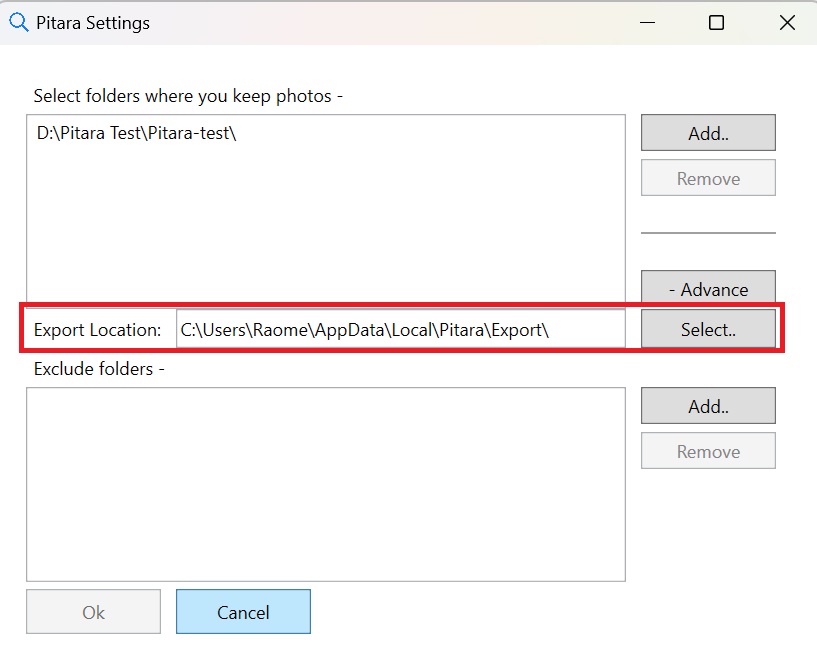
Changing Export Location
- Go to Settings
- Find Export Folder setting
- Click Change and select new location
💡 Workflow Tip: Set your export folder to Dropbox, OneDrive, or Google Drive for instant cloud backup of selected photos.
6. Managing Photos
Deleting Photos
- Select photos to delete
- Press Del OR right-click → Delete Selected
- Photos move to Windows Recycle Bin (recoverable)
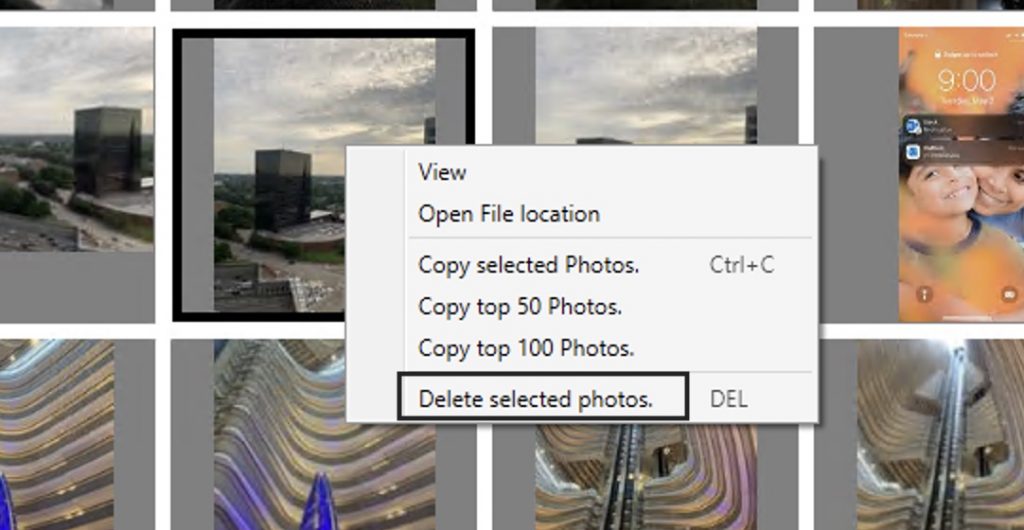
⚠️ Important: Deleting in Pitara permanently moves files to Recycle Bin. Empty your Recycle Bin to free up space.
Opening Photos in External Editor
- Double-click a photo to open in Windows default viewer
- Right-click → Open With for other applications
- Right-click → Show in Folder to locate original file
Excluding Folders from Search
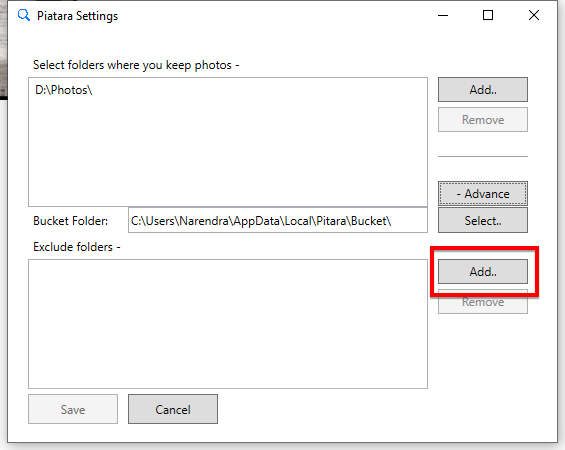
Hide certain folders from search results (e.g., screenshots, thumbnails):
- Go to Settings
- Click Exclude Folders tab
- Click Add and select folders to exclude
- Click OK - excluded folders won't appear in searches
7. External & Network Drives
Indexing External Drives
Pitara works with USB drives, external HDDs, and any connected storage:
- Connect your external drive
- Go to Settings → Add Folder
- Browse to the external drive and select photo folders
- Pitara will index those photos
💡 Best Practice: Keep the index on your internal drive, even when indexing external photos. Go to Settings → Index Location to verify.
Network Drive Setup
Index photos stored on NAS, network shares, or mapped drives:
- Map your network drive in Windows first
- If network drives don't appear in Pitara's folder picker, enable linked connections:
- Run
regedit - Navigate to
HKEY_LOCAL_MACHINE\SOFTWARE\Microsoft\Windows\CurrentVersion\Policies\System - Create DWORD
EnableLinkedConnections=1 - Restart computer
- Run
- Add network folders via Settings
⚠️ Performance Note: Network indexing is slower than local drives. Expect longer initial scan times, but search remains fast after indexing completes.
8. Using Catalogs
Catalogs let you browse available search terms instead of guessing:
Location Catalogs
View all cities, states, and countries in your photo collection. Click any location to see photos from that place.
Time Catalogs
Time Catalog is a chronological catalog separated by years and months when photos were taken.
Elevation Catalogs
See altitude ranges in your collection. Great for hikers and travelers.
Your Tag Catalog
View all custom tags you've added. Click to see photos with that tag.
💡 Discovery Tip: Browse catalogs when you're not sure what to search for. They reveal patterns in your photo collection you might not have noticed.
9. Troubleshooting
Photos Not Appearing in Search
- ✓ Check if the folder is added in Settings
- ✓ Check if the folder is excluded (Settings → Exclude Folders)
- ✓ Wait for indexing to complete (status shown in bottom bar)
- ✓ Some photos lack GPS metadata - search by date/time instead
Slow Performance
- Move index to internal SSD (Settings → Index Location)
- Reduce indexed folders (only include essential photo locations)
- Exclude unnecessary folders (Settings → Exclude Folders)
Resetting the Index
If the index becomes corrupted (rare), reset it:
- Close Pitara completely
- Press Win + R
- Type
%localappdata%\Pitaraand press Enter - Delete the Index folder
- Restart Pitara - it will rebuild the index
⚠️ Note: Deleting the index only removes Pitara's internal database. Your photos and tags remain untouched.
Viewing Logs
For troubleshooting or support requests:
- Click Help menu
- Select Logs
- Log file opens in your text editor
Enabling Debug Logs
For detailed diagnostics (if requested by support):
- Open the Option menu
- Launch Pitara Options
- Enable the Debug Log checkbox
- Save the settings
10. Tips & Best Practices
Organizing Strategy
- 📁 Don't reorganize folders - Pitara works with your existing structure
- 📍 Trust GPS metadata - Modern phones embed accurate location data
- 🔍 Use natural language - Pitara understands "last Christmas" better than complex syntax
Search Pro Tips
- Start broad, then narrow:
Hawaii→Hawaii sunset→Hawaii sunset 2019 - Combine tags with metadata:
birthday weekend from 10 years - Use elevation for mountain trips:
Colorado 8kfeetplus - Find date night photos:
Saturday 7PM restaurant(if you tagged restaurants)
11. Additional Resources
- Sample Searches - More query examples
- FAQ - Common questions answered
- Contact Support - Get help from the team
- How It Works - Understanding Pitara's technology
💬 Need More Help? Can't find what you're looking for? Check the FAQ or contact us - we're here to help!